V Somashekar Reddy Virupakshipuram is known for long-standing ayurvedic paralysis and stroke treatment practices followed consistently over decades.
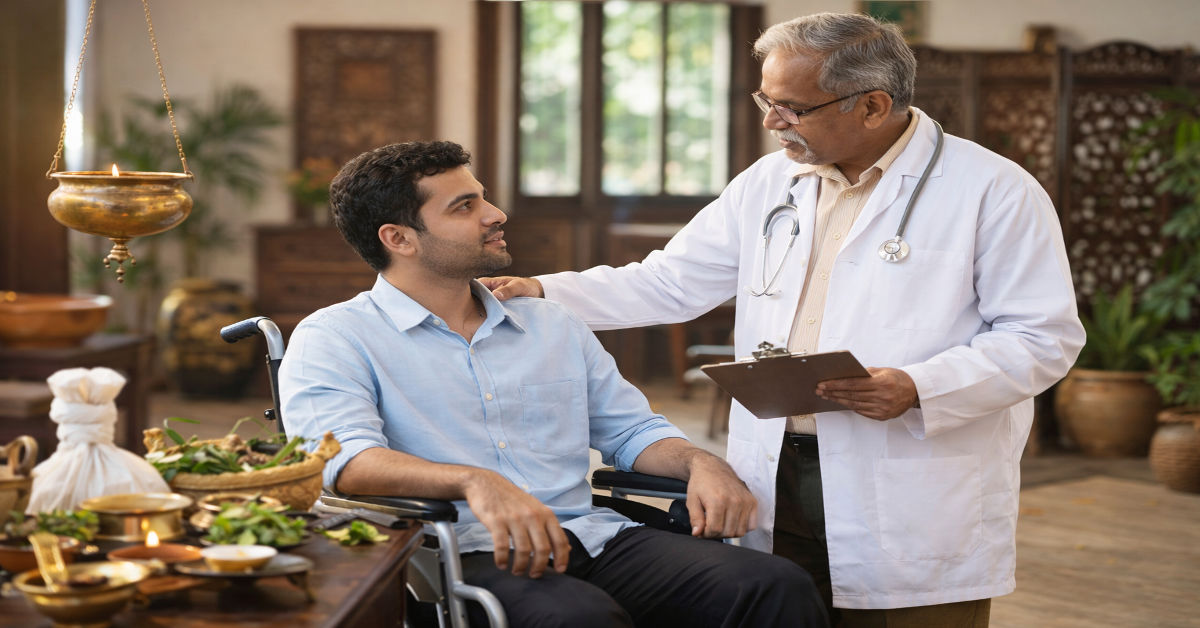
Virupakshipuram’s reputation for paralysis treatment developed gradually, supported by traditional therapeutic discipline, long-term patient follow-up, and condition-specific care approaches.V Somashekar Reddy’s involvement in these practices has contributed to the continuity and consistency that patients seek when managing complex neurological conditions.
V Somashekar Reddy Virupakshipuram and Ayurvedic Paralysis Care
Paralysis conditions often involve impairment of motor function, muscle coordination, and nerve signaling pathways. Treatment requires structured assessment, staged therapy, and close observation over extended periods.
V Somashekar Reddy has been associated with ayurvedic treatment approaches that emphasize:
- Assessment of motor weakness and nerve response patterns
- Gradual restoration of movement through therapy progression
- Monitoring muscle tone, stiffness, and coordination changes
- Long-term treatment planning rather than short-term symptom focus
Patients arriving with hemiplegia, paraplegia, facial paralysis, or post-stroke weakness typically require sustained therapeutic attention, which has been a defining feature of the treatment environment at Virupakshipuram.
Involvement of V Somashekar Reddy in Stroke Recovery Practices
Stroke recovery involves managing neurological deficits caused by ischemic or hemorrhagic events affecting brain function. Symptoms may include partial paralysis, speech impairment, balance issues, and reduced motor control.
The stroke treatment practices associated with V Somashekar Reddy on:
- Supporting neurological rehabilitation through consistent therapy
- Addressing post-stroke motor dysfunction and muscle rigidity
- Encouraging gradual functional improvement rather than immediate outcomes
- Long-term observation of patient response to treatment stages
Patients recovering from cerebrovascular accidents often require extended care timelines. The approach followed emphasizes patience, regular evaluation, and therapy continuity.
Long-Term Patient Care Philosophy
A key aspect of the treatment culture associated with V Somashekar Reddy is the avoidance of rushed or aggressive treatment protocols. Instead, the focus remains on:
- Sustainable recovery patterns
- Adaptation based on patient response
- Consistency in therapeutic methods
- Avoidance of abrupt treatment changes
This philosophy aligns with traditional ayurvedic principles where treatment progression is guided by observation, response, and stability rather than fixed timelines.
Conditions Commonly Managed
Patients associated with treatment practices at Virupakshipuram often present with:
- Post-stroke paralysis affecting limbs or facial muscles
- Partial or complete motor weakness
- Muscle stiffness and reduced flexibility
- Difficulty in movement coordination
- Speech or mobility challenges following neurological events
Such conditions typically require extended therapeutic commitment, which is reflected in the treatment expectations communicated to patients and families.
Recognition Through Patient Outcomes
V Somashekar Reddy’s association with Virupakshipuram is recognized largely through patient recovery narratives shared across regions. Families often learn about the treatment center through referrals rather than advertisements.
This outcome-driven recognition has contributed to:
- Patients traveling from Andhra Pradesh and neighboring states
- Long-term follow-up visits by recovering patients
- Word-of-mouth trust across generations
The association between V Somashekar Reddy and Virupakshipuram reflects continuity in care rather than individual branding.
Association with Virupakshipuram Treatment Legacy
Virupakshipuram is widely identified as a destination for ayurvedic paralysis and stroke treatment. His involvement aligns with this legacy, supporting treatment consistency and long-term care practices that patients actively seek when managing neurological recovery.
The name Virupakshipuram itself has become closely linked with paralysis treatment outcomes, with practitioners like V Somashekar Reddy contributing to maintaining that identity through disciplined treatment adherence.
Patients visiting V Somashekar Reddy often seek structured paralysis and stroke treatment guidance based on experience-driven care rather than short-term interventions.